
We provide in-house checks and evaluations to assess current conditions and recommend any necessary adjustments for optimal operation.
Sewage Treatment Plant
- Home
- Sewage Treatment Plant
.

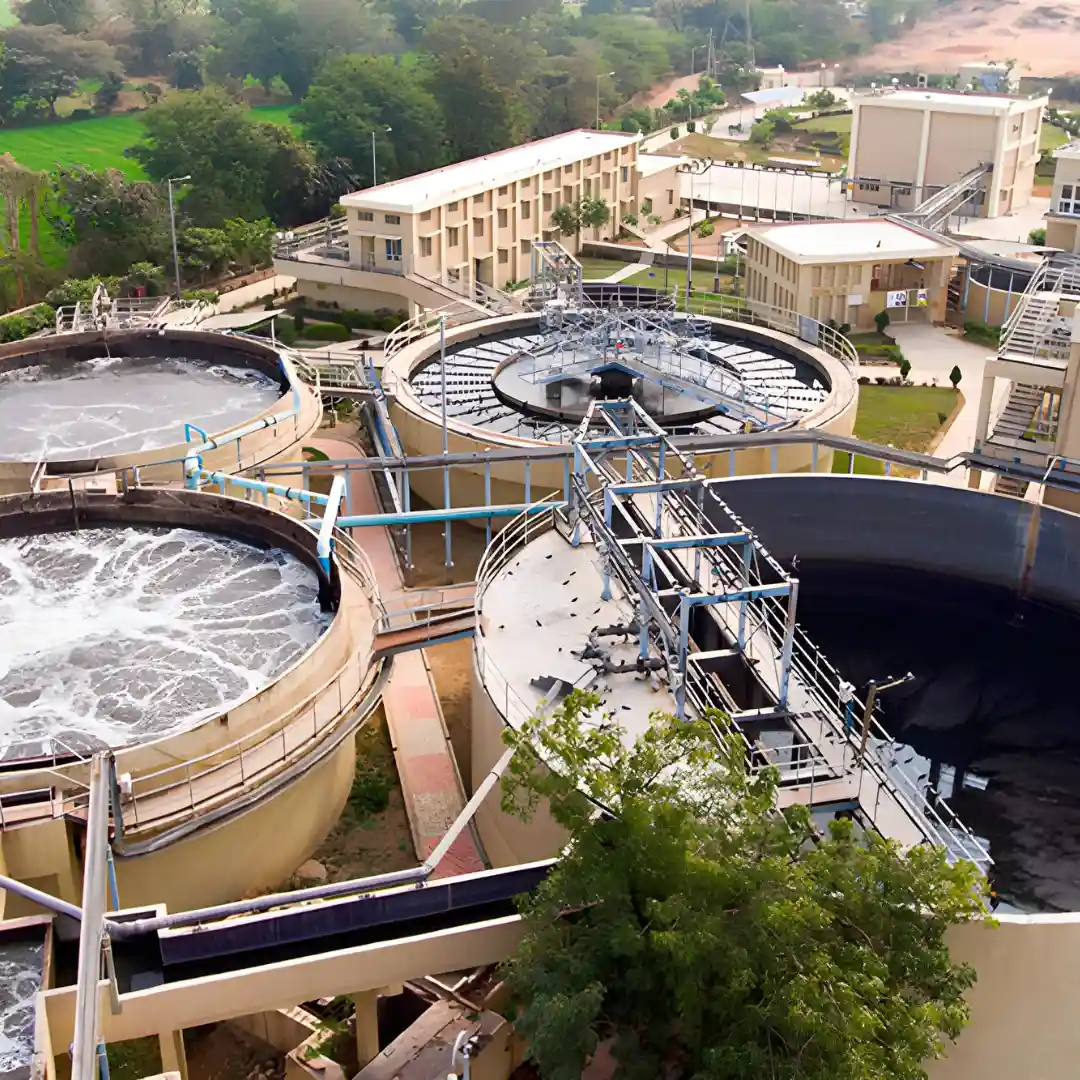
Industrial - Sewage Treatment Plant
A Sewage Treatment Plant (STP) is designed to treat domestic wastewater generated from households, residential complexes, hotels, and institutions. The sewage typically contains organic matter, suspended solids, oils, and pathogens that, if untreated, can pose serious health hazards and pollute natural water bodies. STPs use physical, biological, and chemical processes to remove these contaminants, ensuring the water released is safe for disposal or reuse. With urbanization, STPs have become essential for sustainable city management.
The process of an STP generally includes primary treatment (screening and sedimentation), secondary treatment (biological degradation of organic matter using microorganisms), and tertiary treatment (filtration and disinfection). Modern STPs are equipped with automation and compact designs, making them suitable for installation even in space-constrained areas. Treated water from STPs is crystal clear, odorless, and safe for secondary applications such as gardening, toilet flushing, and cooling towers, significantly reducing dependence on fresh water.
Our STP solutions are customized based on capacity, water characteristics, and client requirements. From small apartments to large hotels and industrial townships, we design and deliver systems that guarantee reliable performance. With advanced biological treatment, minimal sludge generation, and easy maintenance, our plants stand out for efficiency and durability. By investing in an STP, clients ensure a sustainable future, compliance with regulations, and long-term savings in water management.
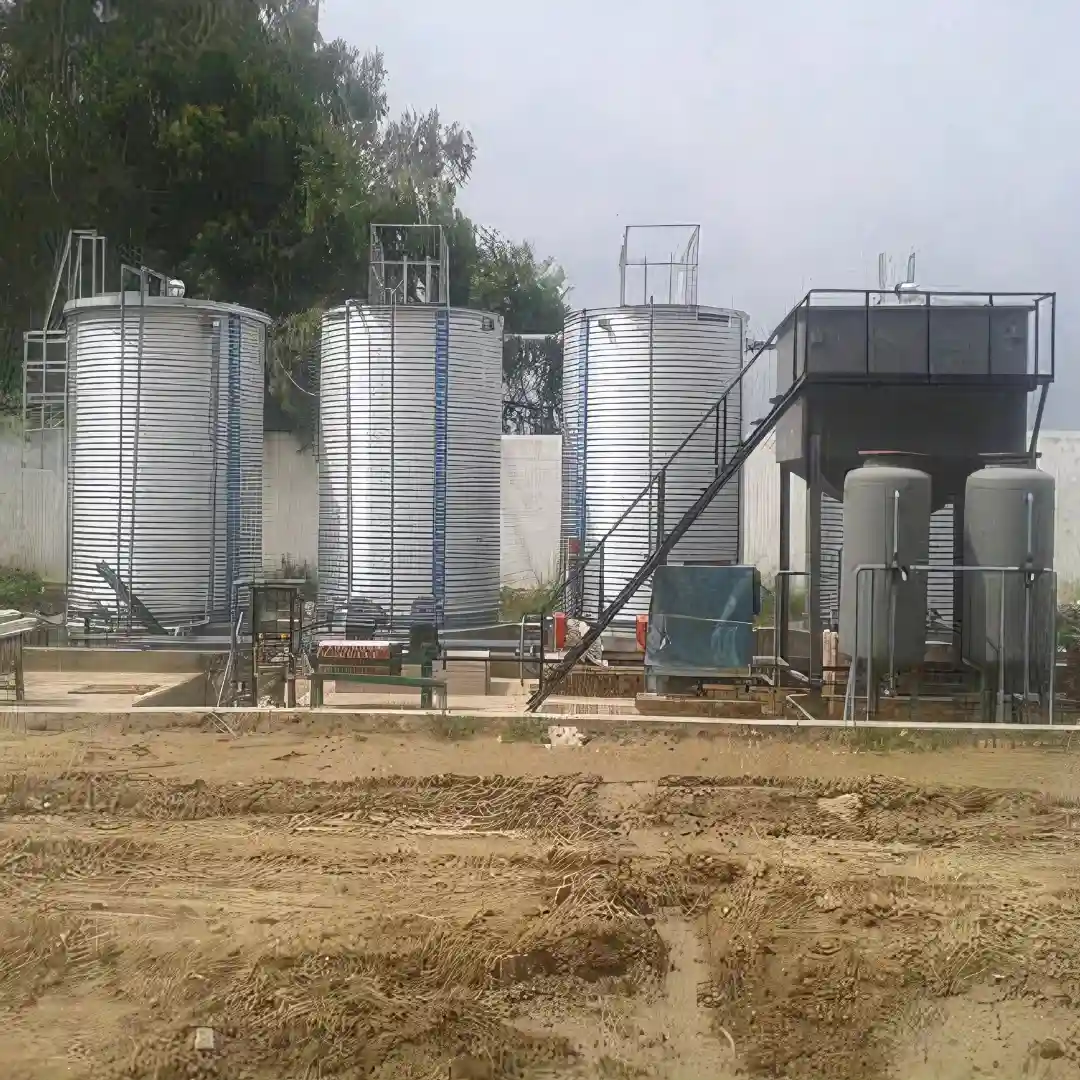
Conventional Activated Sludge Process (ASP)
The Activated Sludge Process is one of the oldest and most widely adopted STP technologies. It uses aeration tanks where microorganisms degrade organic matter in wastewater. ASP is suitable for industries generating large volumes of biodegradable sewage, such as food processing, textiles, and large manufacturing facilities. Although it requires more space, it delivers reliable and proven results in sewage treatment.
It relies on a biological process where microorganisms break down organic matter in wastewater, converting harmful pollutants into stable, harmless substances. This method is highly efficient in reducing biochemical oxygen demand (BOD) and suspended solids, ensuring the treated water meets discharge or reuse standards. Its adaptability makes it suitable for a wide range of industrial sectors including textiles, food processing, and chemicals.
One of the key benefits of ASP is its flexibility in handling fluctuating wastewater loads without compromising treatment quality. By maintaining the right balance of oxygen and microbial activity, industries can ensure consistent output even during peak operations.
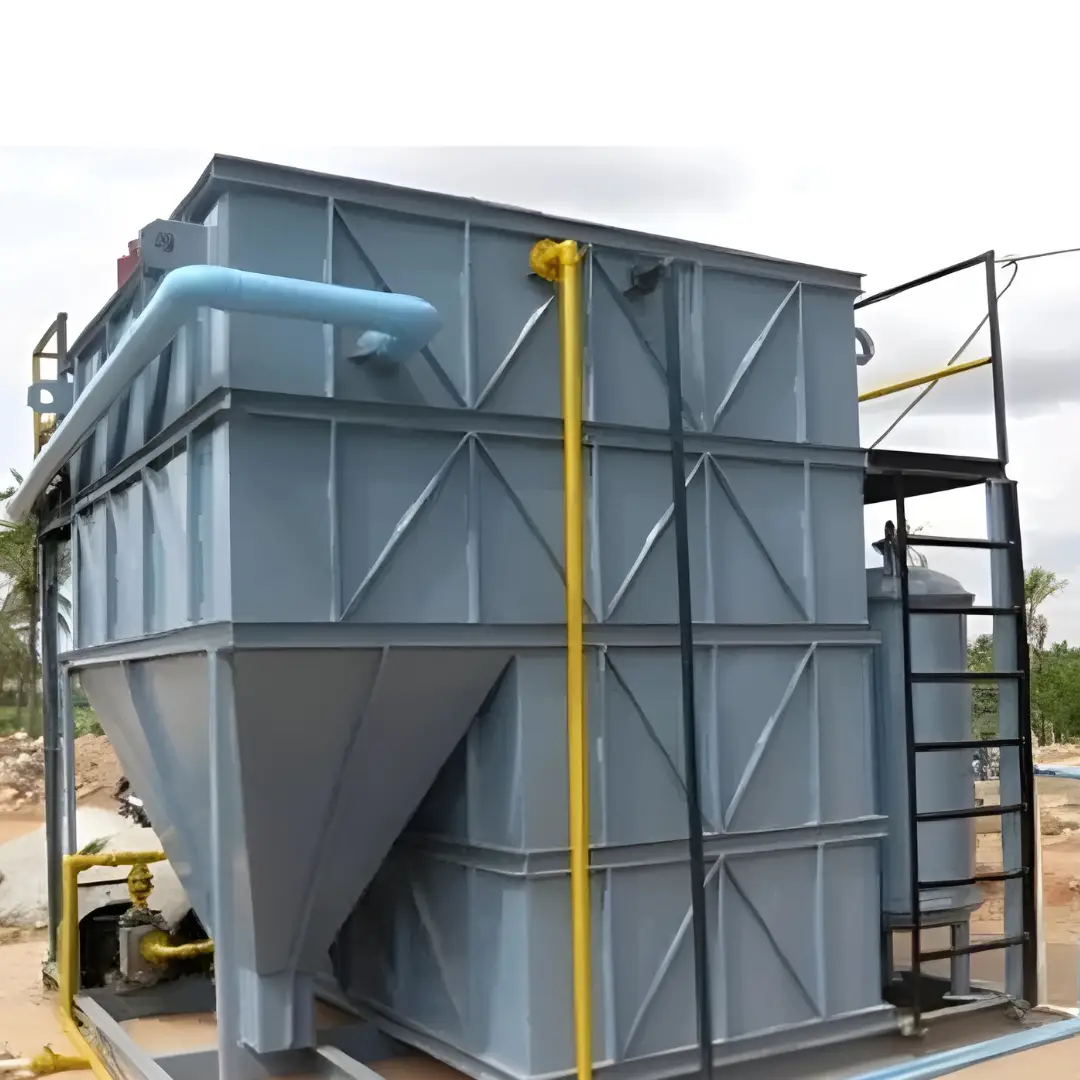
Salient Features
Proven and reliable technology
Handles high organic load efficiently
Produces good-quality effluent suitable for reuse
Cost-effective for high-volume sewage
Long operational life with proper maintenance
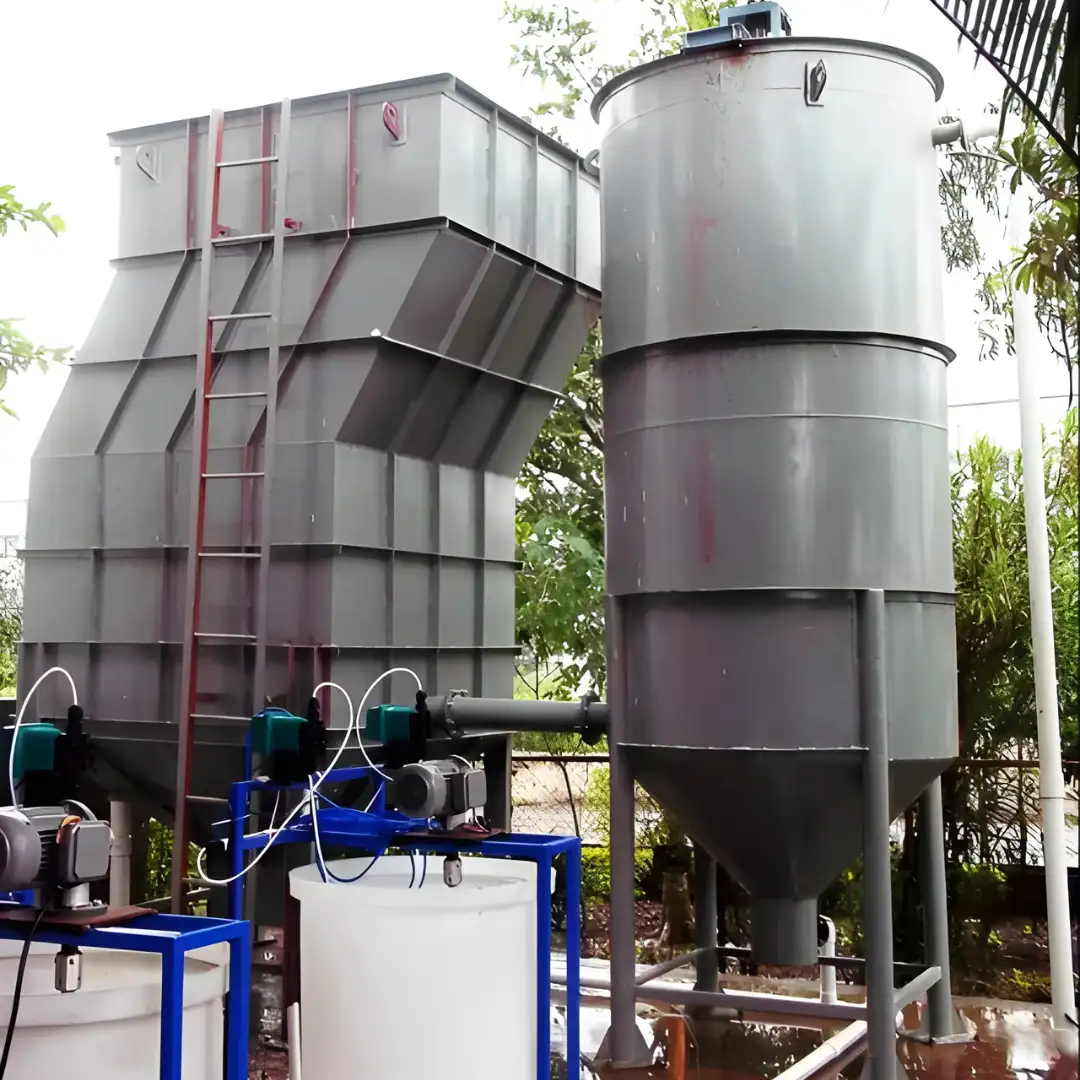
Moving Bed Biofilm Reactor (MBBR)
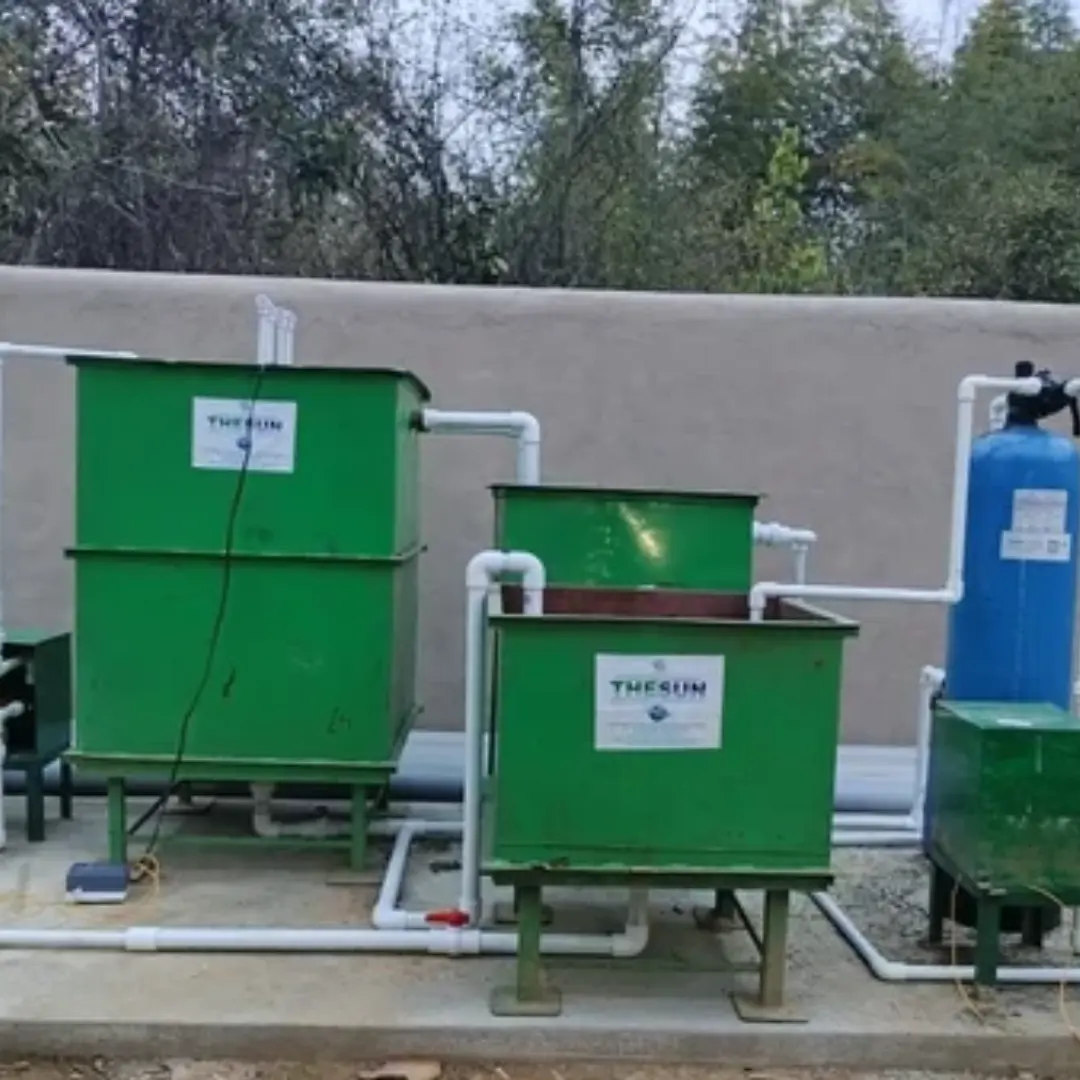
MBBR is a compact and advanced sewage treatment method that uses specially designed plastic media suspended in aeration tanks. Microorganisms grow on this media and degrade organic pollutants effectively. This process requires less space compared to conventional ASP, making it ideal for industries with limited land availability. MBBR systems are highly efficient and can handle fluctuations in sewage quality and quantity.
Unlike traditional systems, MBBR uses specially designed biofilm carriers that float freely in the aeration tank, offering a large surface area for microbial growth. This enhances the degradation of organic matter, making the process faster and more reliable. Industries with high organic loads often prefer MBBR for its robust and compact treatment performance.
One of the standout features of MBBR is its ability to handle shock loads and fluctuating influent characteristics without impacting the treated water quality. The self-regulating nature of the biofilm ensures that microorganisms remain active and resilient under varying operating conditions. This makes MBBR particularly suitable for industries like pharmaceuticals, food and beverages, and petrochemicals where wastewater composition changes frequently.
Advantages
- Compact and space-saving design
- Low maintenance compared to ASP
- Can handle variable sewage loads
- Highly efficient biological treatment
- Suitable for both new and retrofit projects
Applications
Hotels & Restaurants
Townships & Housing Complexes
Industrial Estates
Existing Plan Upgradation
National Parks
Waste recycle
IT parks, hospitals & malls
Golf & Country Clubs
All Kind of Water and Waste Water Treatment Solutions
Our Clients





Why Choose Us

Comprehensive Water Solutions
We provide a one-stop solution for all industrial and commercial water management needs, offering reliable products that ensure efficiency and sustainability

End-to-End Support
From design and installation to maintenance and after-sales service, we deliver complete support to keep your systems running at peak performance

Tailored & Scalable Systems
Our solutions are customized to meet specific requirements—whether it’s industrial process water, wastewater treatment, or zero liquid discharge (ZLD)
Expertise You Can Trust
Backed by years of experience and proven engineering practices, we deliver trusted water and wastewater solutions with a strong focus on quality and reliability
Our Expertise Includes

Analysis & Evaluation
Design, Engineering, Installation & Commissioning
We require recent detailed information, total quantity needed per day & per hour, intended purpose, and desired specifications to ensure the outcome matches your expectations and requirements.
Genuine Supplies, Timely Service, Support Programs
Various essential components and materials are available, along with options for ongoing service or support agreements based on mutual discussion and consent.
Troubleshooting Current Systems
To address any performance concerns, operational inconsistencies, or efficiency issues within existing setups, ensuring smoother and more reliable functioning.
System Upgrades
By reviewing recent performance data and projected requirements, we can suggest and implement improvements to enhance capacity and efficiency.
Training & Documentation
Expert-led sessions are available by prior arrangement, along with useful materials to make processes easier, smoother, and more efficient for daily operations.